
Camera Brands Compared: Canon, Nikon, Sony, and Fujifilm

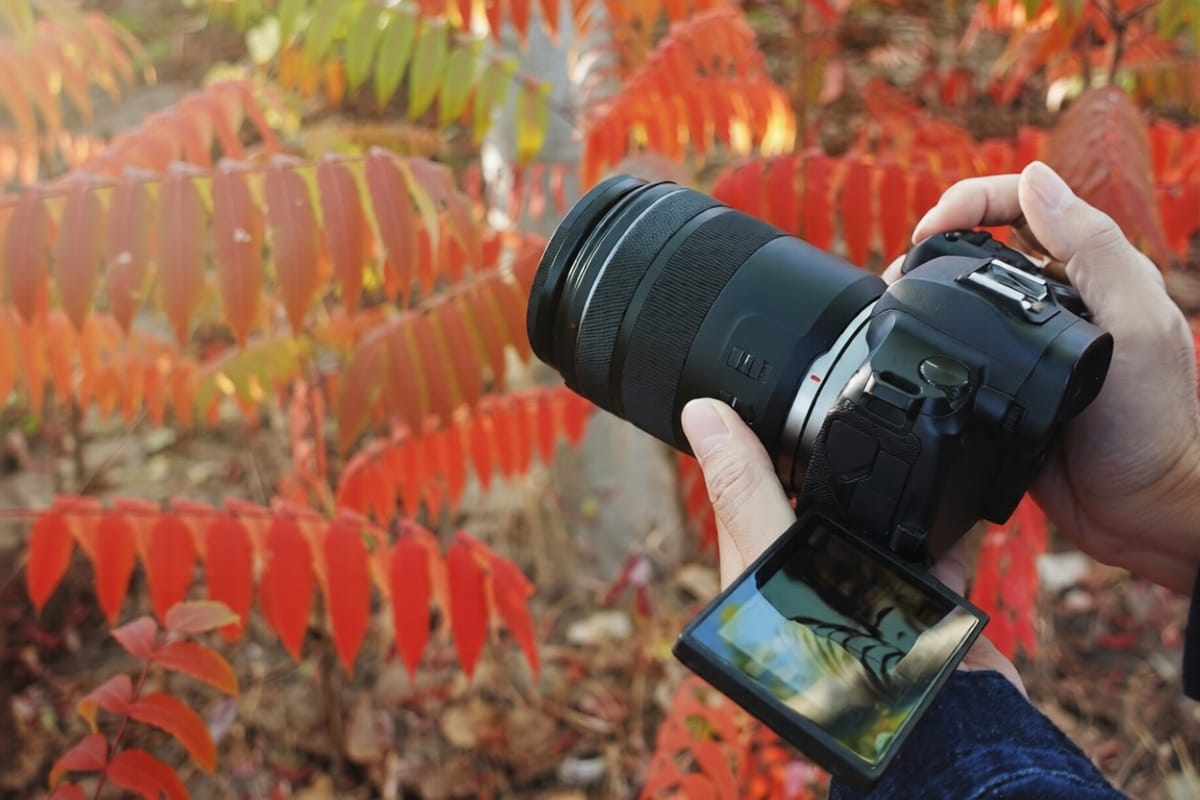
Choosing a camera system is often akin to choosing a team. Once you invest in a brand's lenses and accessories, switching can be costly and complicated. For beginners, understanding the distinct philosophies, strengths, and weaknesses of the major players is a crucial step in making a decision you'll be happy with for years to come. While all major brands produce excellent cameras, they each have a slightly different flavor and target different types of photographers.
Canon: The Trusted All-Rounder
Canon has long been one of the most popular names in photography, and for good reason. Their cameras are known for their excellent ergonomics, intuitive menus, and beautiful color science, particularly for skin tones, which makes them a favorite for portrait photographers. Canon's autofocus system, especially its Dual Pixel CMOS AF, has been a market leader for years. They have a massive ecosystem of lenses, both from Canon and third-party manufacturers.
For those looking for a powerful, modern camera that exemplifies Canon's strengths, the Canon EOS R6 Mark II is a stellar example. It combines Canon's renowned user-friendly design with professional-level autofocus, a fantastic 24.2MP sensor, and impressive video capabilities, making it a versatile tool for almost any genre.
Nikon: The Optical Heritage
Nikon has a legendary history in optics, and their cameras are prized for their exceptional image quality, dynamic range, and rugged build quality. Many landscape photographers adore Nikon sensors for their ability to capture immense detail and recover shadows in post-processing. Their ergonomics are also excellent, with a layout that many long-time users swear by. With their Z series of mirrorless cameras, Nikon has created a fantastic new lens mount that has allowed them to design some of the sharpest lenses on the market.
Sony: The Innovation Leader
Sony was the company that truly kick started the mirrorless revolution. They have consistently pushed the boundaries of technology, often being the first to introduce new sensors and features. Sony cameras are renowned for their incredibly fast and intelligent autofocus systems, as well as their strong video capabilities. Their lens ecosystem has matured beautifully and now offers an incredible range of options. For tech-savvy photographers who want the latest and greatest features, Sony is a compelling choice.
Fujifilm: The Artist's Choice
Fujifilm takes a slightly different path. While their cameras are technologically excellent, their appeal is heavily rooted in the photography experience itself. They are famous for their unique design, which often mimics classic film cameras with retro-styled dials. Their in-camera film simulations are beloved by photographers who want beautiful, ready-to-share JPEGs straight out of the camera, with minimal editing. Fujifilm's X-series (APS-C) and GFX (medium format) systems are perfect for street, travel, and portrait photographers who value a hands-on, tactile shooting experience.
Making Your Choice
For a beginner, you truly can't go wrong with any of these brands. The best advice is to visit a camera store and hold them in your hands. See which menu system makes the most sense to you and which feels best in your grip. If you're on a tighter budget, the lens ecosystem and the availability of affordable lenses might be your deciding factor. For a great starting point with any of these systems, exploring our guide to the Best Affordable Camera for Beginners will show you that each brand has excellent entry-level options to help you start your photographic journey on the right foot.

